
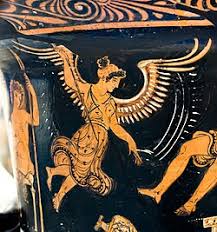
The term “λυσασ” (transliterated as lysas) immediately carries the weight of history, mystery, and symbolism. Written in the Greek alphabet, it is a word that resonates with echoes of ancient language, philosophy, and spirituality. In Greek, “λύω” (lyo) means “to loosen, release, or set free,” and “λυσασ” can be connected to participle forms that reflect the act of loosening or freeing. Beyond its literal roots, however, “λυσασ” offers a gateway into discussions about liberation, identity, the interplay of tradition and modernity, and the creative use of ancient words in today’s digital and cultural landscapes.
This article aims to unpack the layers of “λυσασ” in multiple contexts: its linguistic origins, its symbolic potential, its role in history and philosophy, its relevance to modern identity-building, and its possible reinterpretations in technology and art. By doing so, we will see how a single word can embody the human quest for freedom, transformation, and self-definition.
Linguistic Origins of “λυσασ”
Language is never static, and “λυσασ” provides a fascinating example of how words evolve. In ancient Greek grammar, it relates to participial forms of the verb λύω, a word often used in classical texts to describe actions of unbinding, releasing, or dissolving. For example, ancient playwrights used variations of the root to signify freedom from chains, release from obligations, or even the dissolution of life itself. The act of “loosening” was not merely physical but deeply symbolic, tied to the soul’s liberation from constraints. To understand “λυσασ” in this way is to recognize its embeddedness in a broader cultural and philosophical worldview where words carried spiritual and ethical weight.
The Symbolism of Release and Liberation
At its heart, “λυσασ” conveys release. But release is a concept that transcends mere grammar; it speaks to one of humanity’s deepest desires: freedom. In philosophy, religion, and politics, liberation is central. Ancient Greeks used language like “λύω” to describe the freeing of captives, the lifting of burdens, and even the liberation of the soul through knowledge. Modern readers encountering “λυσασ” might see in it a metaphor for release from anxiety, digital overload, or social constraints. It represents the timeless longing to unbind oneself from what is restrictive and step into a state of openness, creativity, or transcendence.
“λυσασ” in Historical and Philosophical Contexts
Ancient philosophy often revolved around the idea of freeing the mind from illusion. For example, Plato’s allegory of the cave is about liberation from shadows into truth. While the specific word “λυσασ” may not appear in every philosophical text, its root resonates with the concept of release—from ignorance, from bondage, or from physical restraints. In religious contexts, the act of “loosening” could signify forgiveness of debts or sins, a divine unbinding that restores harmony. Over centuries, such concepts influenced Western thought profoundly, embedding “release” as a recurring theme in discussions of justice, morality, and spirituality.
Modern Identity and the Creative Use of Ancient Words
Today, unusual and ancient words often resurface in digital spaces. A username like “λυσασ” could serve as both a personal brand and a symbolic identity marker. Unlike ordinary names, such words carry a sense of mystery, depth, and timelessness. Someone adopting “λυσασ” online might be signaling a connection to heritage, philosophy, or simply a love of language. This mirrors a larger trend in digital identity construction where people borrow from myth, history, and linguistics to stand out. In a crowded online environment, ancient words like this not only attract curiosity but also provide a sense of intellectual and cultural grounding.
The Psychology of Choosing Symbolic Words
Why would someone gravitate toward a name like “λυσασ” in the first place? Psychology suggests that humans are attracted to symbols that embody aspirations or ideals. Choosing a name tied to release or liberation may reflect an inner desire for freedom, transformation, or independence. Unlike names that are literal or common, symbolic ones create space for personal projection. “λυσασ” might mean freedom from personal struggles to one person, intellectual liberation to another, and spiritual release to someone else. This interpretive openness makes it powerful as an identity marker, precisely because it invites engagement and reflection.
Technology, Liberation, and the Digital Age
Interestingly, “λυσασ” resonates strongly in today’s technological context. The digital world both frees and restricts us: it offers unlimited knowledge but also creates dependency and overwhelm. To invoke a word like “λυσασ” in this environment is to remind ourselves of the need for balance—freedom from digital chains as much as freedom within them. Just as the root verb “λύω” was used to describe untying knots, perhaps today it can symbolize “untying” ourselves from endless notifications, constant surveillance, and algorithmic control. In this sense, the word has renewed relevance as societies debate the meaning of freedom in the digital age.The Artistic and Cultural Reimagination of Ancient Terms
Artists, writers, and thinkers have long revived ancient words to give new depth to modern expressions. “λυσασ” could inspire poetry, visual art, or music, embodying the universal theme of release. In literature, words like this are often used metaphorically to describe inner journeys, struggles against oppression, or the transcendence of human limitations. In popular culture, even fragments of ancient language carry weight—they signal mystery, history, and depth. If incorporated into art or branding, “λυσασ” could serve as a timeless emblem of liberation, adaptability, and human creativity.
Challenges of Ancient and Ambiguous Terms
Of course, unusual words like “λυσασ” are not without challenges. For one, not everyone can read Greek letters, which may limit its accessibility. Others might find the word too abstract, detached from practical meaning. For branding or communication, ambiguity can sometimes cause confusion. Yet, these very challenges are what make the word intriguing. Mystery invites curiosity. Difficulty makes the mind work harder, which increases memorability. In an era of fleeting attention, “λυσασ” commands engagement by refusing to be easily categorized.
Future of “λυσασ” in Global Digital Culture
As global culture increasingly draws from diverse linguistic traditions, words like “λυσασ” could gain prominence. We already see this in the popularity of Greek and Latin-derived terms in science, philosophy, and even online usernames. With the growth of virtual communities, ancient languages may become new sources of identity, with words like “λυσασ” functioning as powerful symbols that bridge history and modernity. It represents not only the human tendency to recycle language but also the universal yearning to connect past wisdom with future possibility.
FAQs about λυσασ
Q1: What does “λυσασ” mean?
It comes from the Greek verb “λύω,” meaning “to loosen” or “to release.” It can symbolize liberation, forgiveness, or dissolution.
Q2: Is “λυσασ” still used today?
Not in everyday Greek conversation, but its root remains in use, and the form can still be understood by those familiar with classical grammar.
Q3: Why might someone use “λυσασ” as a name?
Because it embodies mystery, depth, and the symbolic idea of freedom—making it ideal for digital identities, artistic projects, or philosophical expressions.
Q4: Does “λυσασ” have cultural or spiritual meanings?
Yes. Historically, it could signify release from debts, freedom from chains, or liberation of the soul, depending on context.
Q5: Can “λυσασ” be used in modern branding or art?
Yes, its uniqueness makes it versatile for projects centered around themes of liberation, transformation, or timelessness.
Conclusion
The word “λυσασ” is more than just an ancient grammatical form—it is a symbol of humanity’s deepest aspirations. Rooted in the Greek concept of loosening or releasing, it embodies the timeless desire for liberation, whether physical, emotional, intellectual, or spiritual. In modern contexts, it bridges the past and present, offering a mysterious yet powerful tool for constructing identity, inspiring art, and sparking reflection.
By exploring “λυσασ,” we are reminded that words carry histories, emotions, and philosophies across centuries. They invite us to reconsider what freedom means, how identity is shaped, and how ancient traditions can illuminate our digital age. Whether as a symbolic name, a cultural marker, or an artistic inspiration, “λυσασ” challenges us to loosen our constraints, embrace creativity, and step toward liberation in its many forms.
