
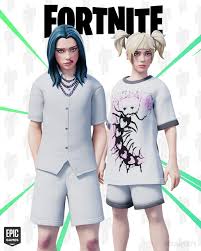
Billie Eilish has become one of the most influential pop artists of her generation, known for her distinctive sound, unique visual style, and deeply personal lyrics. With such widespread fame, her music is often the center of attention, and in today’s digital age, leaks—whether of albums, singles, or videos—have become an unavoidable part of the music industry. While Billie and her team work hard to control releases, fan anticipation and online platforms can sometimes result in music being circulated prematurely. Understanding how these leaks affect her career, fan culture, and the industry overall requires examining the intersection of digital technology, music promotion, and artist privacy.
1. Billie Eilish: A Modern Pop Icon
Billie Eilish first gained widespread attention with her hit single “Ocean Eyes,” which showcased her ethereal vocals and emotive songwriting. Her music often explores themes of mental health, personal struggle, and self-expression, resonating strongly with younger audiences worldwide. Albums like When We All Fall Asleep, Where Do We Go? and Happier Than Ever demonstrate her evolution as an artist, combining innovative production with introspective lyrics. Eilish’s distinctive aesthetic, often dark and moody, along with her candidness about her personal life, contributes to the intense interest in her music. Fans eagerly anticipate every release, creating both excitement and a fertile ground for digital leaks.
2. The Phenomenon of Music Leaks
Music leaks are not unique to Billie Eilish but have become more common with the rise of digital platforms. Leaks can occur due to hacking, insider mishaps, or early sharing by collaborators. For an artist like Billie, whose releases are highly anticipated, leaks can spread quickly across social media and fan sites. While leaks can generate buzz and hype, they also pose serious challenges, including potential revenue loss, disrupted marketing strategies, and unintended exposure of unfinished material. Artists and record labels must carefully balance publicity with protection of intellectual property, often employing cybersecurity measures and legal actions to mitigate leaks.
3. Impact on Fans and Media
Leaks create complex dynamics for fans. On one hand, fans feel excited to access unreleased material; on the other, leaks can diminish the impact of official releases. Media coverage of leaks can amplify hype but can also spread misinformation if incomplete or inaccurate versions circulate. For Billie Eilish, whose music often reflects personal experiences, unauthorized leaks can feel invasive, prompting responses from her and her team to preserve artistic integrity. In some cases, fan communities debate the ethics of consuming leaked content, reflecting broader concerns about digital ethics and artist respect.
4. How Billie and the Music Industry Respond
Billie Eilish and her team take proactive steps to protect her work, including careful file management, digital security protocols, and coordinated release schedules. When leaks occur, strategies can include accelerating official release dates, issuing statements to fans, or creating controlled promotional campaigns. The music industry has also evolved legal mechanisms to combat leaks, ranging from copyright claims to stricter contracts with collaborators and streaming platforms. These measures highlight the tension between fan enthusiasm, digital accessibility, and artistic control in the modern music ecosystem.
5. Digital Age Challenges and Opportunities
The digital age has changed the way music is distributed, promoted, and consumed. While leaks present challenges, they also highlight opportunities for engagement. Artists like Billie can leverage online platforms to connect with fans, share behind-the-scenes content, and turn unplanned exposure into creative marketing. Social media allows artists to manage narratives directly, addressing leaks or clarifying rumors to maintain fan trust. In this environment, controlling the story around one’s music is as important as the music itself, requiring a combination of artistry, media literacy, and strategic communication.
6. Ethical Considerations
Unauthorized sharing of music raises ethical questions. Consuming or distributing leaked material undermines artists’ rights and can have financial and emotional consequences. Fans, media outlets, and digital platforms are increasingly recognizing the importance of respecting intellectual property, emphasizing that supporting official releases ensures artists receive proper recognition and compensation. For Billie Eilish, who often shares deeply personal themes in her work, maintaining control over her creations is particularly important to preserve the integrity of her art.
FAQ
1. Has Billie Eilish ever had music leaked?
Yes, like many high-profile artists, there have been instances where her music circulated online before official release, although she and her team manage such situations carefully.
2. Do leaks affect album sales?
Leaks can impact sales and streaming numbers, but often they generate additional buzz that may increase official release performance.
3. How can fans support Billie ethically?
Fans should wait for official releases on authorized streaming platforms, purchase merchandise, and attend concerts to support her career.
4. Why do leaks happen in the music industry?
Leaks can occur due to digital hacking, insider mistakes, or early sharing, amplified by social media and online communities.
5. How does Billie handle leaks?
Billie’s team uses digital security, legal measures, and strategic promotion to mitigate the effects of leaks while maintaining fan engagement.
Conclusion
In the digital age, leaks are an unavoidable aspect of music culture, particularly for globally recognized artists like Billie Eilish. While they can generate excitement and attention, they also pose risks to artistic integrity, marketing strategy, and revenue. Billie’s approach—combining strong digital security, proactive communication, and innovative fan engagement—demonstrates how artists can navigate these challenges while maintaining control over their creative output. Ultimately, respecting artists’ work and supporting official releases ensures that their art reaches audiences as intended, preserving both the experience of the music and the integrity of the creative process.
