
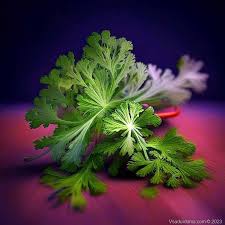
Koriandri, commonly known as coriander, is a versatile herb widely used in culinary, medicinal, and even cultural practices around the world. Renowned for its unique flavor and aroma, Koriandri is a staple ingredient in many cuisines, ranging from South Asian curries to Mediterranean dishes. Beyond its culinary appeal, Koriandri has been studied for its medicinal properties, which include digestive support, anti-inflammatory effects, and potential antioxidant benefits. The herb consists of both fresh leaves, commonly called cilantro, and seeds, known as coriander seeds, each with distinct uses and nutritional profiles. Understanding Koriandri requires exploring its botanical characteristics, historical significance, culinary versatility, health benefits, and potential limitations. This article provides a comprehensive examination of Koriandri, highlighting its relevance across food, health, and cultural domains.
Botanical Overview of Koriandri
Koriandri belongs to the Apiaceae family and is scientifically known as Coriandrum sativum. It is an annual herb that grows to a height of about 50 centimeters and is characterized by delicate green leaves and umbels of small white or pink flowers. The plant produces round, tan-colored seeds that are harvested for their flavor and essential oils. Botanically, Koriandri is unique because both its leaves and seeds are used extensively, but they contain different compounds that contribute to varying flavors, aromas, and nutritional profiles. The leaves are typically mild and citrusy, while the seeds have a warm, spicy, and slightly nutty taste. Understanding the botanical structure and growth conditions of Koriandri is essential for both culinary use and cultivation.
Culinary Uses of Koriandri
Koriandri has a remarkable versatility in cooking. Its fresh leaves, known as cilantro, are often used as a garnish, flavor enhancer, or main ingredient in dishes such as salsas, salads, chutneys, and soups. Coriander seeds, on the other hand, are used whole or ground to add depth to curries, stews, and spice blends like garam masala. The herb is prized not only for its flavor but also for its ability to complement other ingredients, balancing spicy, sour, and savory elements. Global cuisines have incorporated Koriandri in different forms: in Indian cooking for curries and masalas, in Mexican cuisine for fresh salsas and guacamole, and in Middle Eastern dishes for seasoning meat, rice, and vegetable preparations. Its culinary flexibility makes Koriandri an indispensable ingredient in both traditional and modern kitchens.
Nutritional Profile of Koriandri
Koriandri is rich in vitamins, minerals, and essential compounds that contribute to its nutritional value. The leaves provide a good source of vitamin C, vitamin K, and small amounts of vitamin A, supporting immune function, bone health, and vision. Coriander seeds contain essential oils, dietary fiber, and minerals such as calcium, magnesium, and iron, which can aid digestion, support metabolic functions, and contribute to overall health. Additionally, Koriandri contains bioactive compounds like linalool and coriandrol, which have been linked to antioxidant and anti-inflammatory properties. Integrating Koriandri into the diet can enhance flavor while offering potential health benefits, making it a valuable herb for daily consumption.
Health Benefits of Koriandri
The health-promoting properties of Koriandri have been recognized for centuries. Traditionally, it has been used to support digestion, relieve bloating, and stimulate appetite. Scientific studies suggest that Koriandri may have antioxidant properties, helping to neutralize free radicals and reduce oxidative stress in the body. Some research indicates anti-inflammatory effects, which may help with joint health and overall immunity. Additionally, Koriandri has been studied for its potential antimicrobial properties, which could aid in fighting certain infections. Coriander seeds have also been associated with regulating blood sugar and supporting cardiovascular health. While more research is needed to confirm some of these effects, Koriandri remains a valuable herb for its multifaceted contributions to wellness.
Cultural and Historical Significance
Koriandri has a rich cultural and historical background, being used for thousands of years across civilizations. Ancient Egyptians included coriander in their burial rituals, while it was widely used in traditional Chinese and Ayurvedic medicine for its healing properties. In European history, coriander was a common spice during the Middle Ages, valued for both its flavor and medicinal uses. Today, Koriandri continues to play a role in cultural cuisines, religious ceremonies, and traditional remedies, reflecting its enduring significance across diverse regions. Understanding its historical and cultural context provides insight into how Koriandri has been integrated into human life beyond mere culinary applications.
Cultivation and Harvesting
Koriandri grows best in well-drained soil with moderate sunlight and regular watering. It prefers cool temperatures and can be grown both indoors and outdoors. Leaves are typically harvested while young to maximize flavor and tenderness, whereas seeds are collected after the plant flowers and the seeds ripen. Proper cultivation techniques, such as regular trimming to encourage leaf growth and protection from pests, are essential for maximizing yield and quality. Cultivating Koriandri allows individuals and farmers to access fresh, flavorful leaves and seeds year-round, ensuring both culinary and nutritional benefits.
Potential Risks and Precautions
While Koriandri is generally safe for consumption, certain precautions are recommended. Some individuals may experience allergic reactions, particularly to the leaves, which can manifest as skin irritation or digestive discomfort. Excessive intake of coriander seeds may interact with medications such as anticoagulants or influence blood sugar levels. Pregnant women are advised to consume Koriandri in moderation and consult healthcare providers if using it as a supplement. Awareness of these considerations ensures safe consumption while still enjoying the herb’s culinary and medicinal benefits.
Modern Uses in Supplements and Products
Beyond culinary use, Koriandri has found applications in modern supplements, essential oils, and cosmetic products. Coriander essential oil is used for aromatherapy, stress relief, and skin care due to its antimicrobial and soothing properties. Dietary supplements may include Koriandri extracts for digestive health, antioxidant support, or weight management. Additionally, cosmetic formulations utilize coriander for its fragrance and potential anti-inflammatory effects on the skin. These contemporary applications reflect the herb’s adaptability and continued relevance in modern wellness and lifestyle products.
Environmental and Economic Impact
Koriandri cultivation has economic importance, particularly for small-scale farmers and the spice trade. It can be grown with relatively low resource input, providing a sustainable crop option. Export markets for coriander seeds and leaves contribute to local economies, while organic cultivation practices can further enhance environmental sustainability. Additionally, the herb’s resilience and adaptability make it suitable for diverse climates, reducing dependence on chemical inputs and promoting eco-friendly agricultural practices. Understanding its environmental and economic roles underscores Koriandri’s value beyond the kitchen.
FAQ
Q: What is Koriandri? A: Koriandri is a versatile herb, also known as coriander, used for culinary, medicinal, and cultural purposes, with both leaves (cilantro) and seeds having distinct uses.
Q: What are the health benefits of Koriandri? A: Koriandri may support digestion, provide antioxidants, reduce inflammation, support cardiovascular health, and have antimicrobial properties.
Q: How is Koriandri used in cooking? A: Fresh leaves are used as garnish or in salsas, salads, and soups, while seeds are used whole or ground to flavor curries, stews, and spice blends.
Q: Can anyone consume Koriandri? A: Most people can safely consume Koriandri, but those with allergies, pregnant women, or individuals on certain medications should consult healthcare providers for guidance.
Q: How is Koriandri cultivated? A: It grows best in well-drained soil with moderate sunlight, regular watering, and cool temperatures, with leaves harvested when young and seeds after flowering.
Conclusion
Koriandri is a remarkable herb that has stood the test of time due to its culinary versatility, nutritional value, medicinal properties, and cultural significance. From its leaves and seeds to its modern applications in supplements and essential oils, Koriandri provides a wide range of benefits that enhance health, flavor, and lifestyle. Safe cultivation, mindful consumption, and creative integration into meals ensure that individuals can enjoy its advantages fully. As both a traditional herb and a modern wellness ingredient, Koriandri continues to play an important role in kitchens, medicine cabinets, and cultural practices worldwide, offering a harmonious blend of flavor, health, and heritage.
