
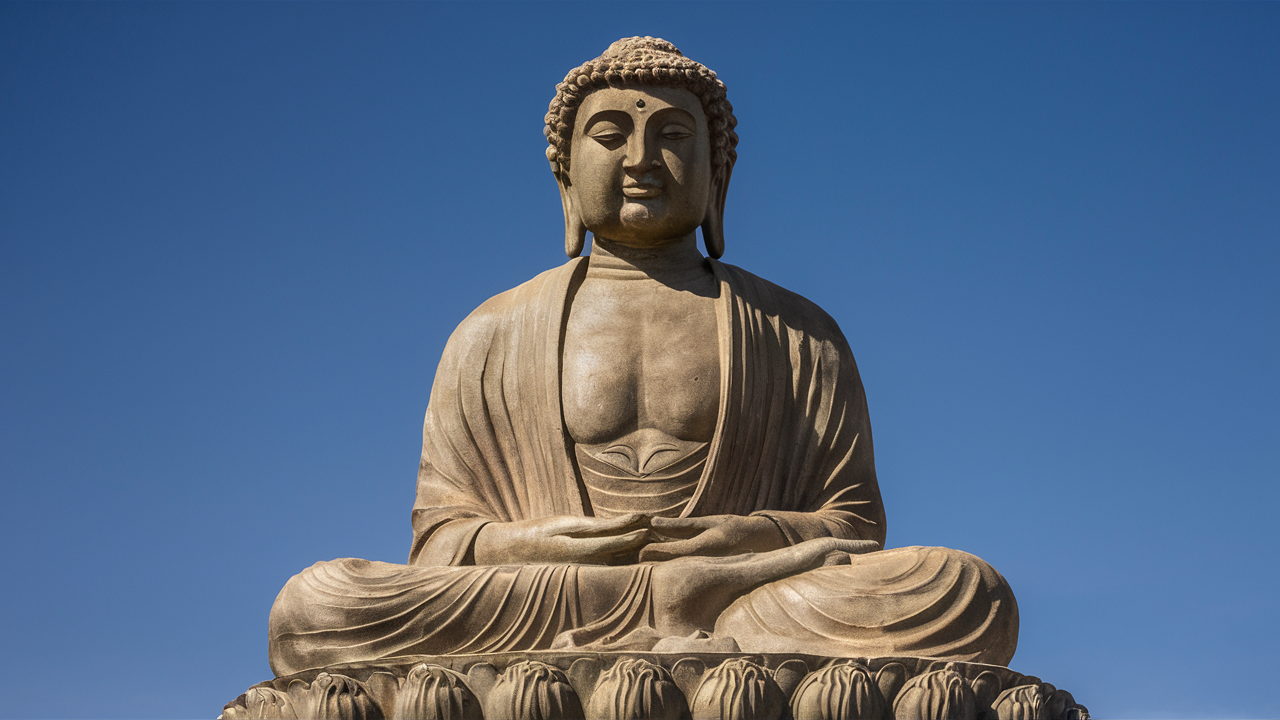
The search for meaning, peace, and personal transformation has inspired humanity for thousands of years. Across cultures and civilizations, people have explored philosophical and spiritual traditions that offer guidance on overcoming suffering and achieving inner fulfillment. Among the most influential of these traditions is Buddhism, a path centered on wisdom, compassion, mindfulness, and liberation from suffering. At the heart of Buddhist philosophy lies the profound concept of Buddhaság, a term that refers to Buddhahood or the state of complete enlightenment.
Buddhaság is more than a religious concept. It represents the ultimate realization of truth, freedom from ignorance, and the awakening of profound wisdom and compassion. Throughout history, Buddhist teachers have described Buddhaság as the highest potential that exists within every human being. Rather than being reserved for a select few, it is considered an attainable state through dedicated practice, ethical living, meditation, and self-understanding.
In today’s fast-paced world, where stress, anxiety, and uncertainty affect millions of people, the teachings associated with Buddhaság remain remarkably relevant. Individuals seeking balance, emotional resilience, and deeper meaning often turn to Buddhist principles for guidance. Understanding Buddhaság provides valuable insight into both ancient wisdom and practical approaches to living a more conscious and fulfilling life.
What Is Buddhaság?
Buddhaság is the state of complete awakening achieved by a Buddha. The term refers to a condition of perfect wisdom, compassion, and freedom from suffering. In Buddhist teachings, Buddhaság represents the full realization of reality as it truly is, free from illusion, attachment, and ignorance.
The concept originates from the life and teachings of Siddhartha Gautama, who attained enlightenment after years of spiritual practice and became known as the Buddha. His awakening revealed profound truths about the nature of existence and the causes of human suffering.
Buddhaság is not merely intellectual knowledge. It involves direct experiential understanding. A person who attains Buddhaság perceives reality clearly and lives with complete compassion toward all living beings.
The Historical Origins of Buddhaság
The foundation of Buddhaság can be traced to ancient India more than 2,500 years ago. Siddhartha Gautama was born into a royal family but became deeply troubled by the realities of aging, sickness, and death. Determined to find a solution to human suffering, he left his privileged life and embarked on a spiritual quest.
After years of study, meditation, and self-discipline, he attained enlightenment beneath the Bodhi tree. This transformative experience led to the realization of truths that would become the basis of Buddhism. The enlightened state he achieved is known as Buddhaság.
Following his awakening, the Buddha spent decades teaching others how they too could follow the path toward liberation and enlightenment.
The Core Principles Behind Buddhaság
Wisdom (Prajna)
Wisdom is one of the most important aspects of Buddhaság. In Buddhism, wisdom involves understanding the true nature of existence. It means recognizing impermanence, interconnectedness, and the causes of suffering.
A person cultivating wisdom learns to see beyond superficial appearances and develops a deeper understanding of reality.
Compassion (Karuna)
Compassion is inseparable from Buddhaság. Enlightenment is not simply a personal achievement; it involves profound concern for the well-being of all living beings.
Compassion motivates individuals to help others, reduce suffering, and contribute positively to the world.
Mindfulness (Sati)
Mindfulness is the practice of maintaining awareness of thoughts, emotions, and experiences in the present moment. Through mindfulness, individuals develop greater clarity and reduce the influence of destructive mental habits.
Mindfulness remains one of the most widely practiced Buddhist disciplines in modern society.
The Four Noble Truths and Buddhaság
Understanding Buddhaság requires understanding the Four Noble Truths, which form the foundation of Buddhist philosophy.
The Truth of Suffering
Life contains suffering, dissatisfaction, and challenges.
The Cause of Suffering
Attachment, craving, and ignorance create suffering.
The End of Suffering
Freedom from suffering is possible.
The Path to Liberation
The Noble Eightfold Path provides practical guidance toward enlightenment.
These truths offer a framework for understanding the human condition and progressing toward Buddhaság.
The Noble Eightfold Path
The Noble Eightfold Path serves as a practical guide for those seeking enlightenment. It consists of:
- Right Understanding
- Right Intention
- Right Speech
- Right Action
- Right Livelihood
- Right Effort
- Right Mindfulness
- Right Concentration
These principles encourage ethical behavior, mental discipline, and wisdom. Together, they create a balanced path toward personal transformation and spiritual awakening.
Meditation and the Journey to Buddhaság
Meditation plays a central role in Buddhist practice. Through meditation, individuals learn to calm the mind, cultivate awareness, and gain insight into the nature of reality.
Different forms of Buddhist meditation include:
Mindfulness Meditation
Focused awareness of the present moment.
Loving-Kindness Meditation
Cultivating compassion and goodwill toward oneself and others.
Insight Meditation
Developing direct understanding of impermanence and interconnectedness.
Regular meditation practice helps individuals overcome distractions and deepen their spiritual understanding.
Buddhaság in Modern Life
Many people assume that enlightenment is only relevant within monasteries or religious settings. However, the principles associated with Buddhaság can be applied to everyday life.
In modern society, individuals face constant distractions, information overload, and emotional stress. Buddhist practices offer tools for managing these challenges effectively.
Applying Buddhaság-inspired principles can help individuals:
- Reduce stress
- Improve emotional balance
- Enhance focus
- Strengthen relationships
- Increase self-awareness
- Develop resilience
- Cultivate gratitude
These benefits explain why mindfulness and meditation have become increasingly popular around the world.
The Universal Relevance of Buddhaság
One reason Buddhaság continues to inspire people globally is its universal nature. The teachings do not depend on cultural background, nationality, or social status. Instead, they address fundamental human experiences shared by everyone.
People from diverse backgrounds find value in Buddhist principles because they focus on practical methods for reducing suffering and increasing well-being. This universal appeal has contributed to Buddhism’s growth across many regions of the world.
The pursuit of wisdom, compassion, and inner peace remains as relevant today as it was thousands of years ago.
Common Misconceptions About Buddhaság
Several misconceptions surround the concept of Buddhaság.
It Is Not Escaping Reality
Enlightenment involves understanding reality more clearly, not avoiding it.
It Is Not Passive Acceptance
Buddhist teachings encourage wise action and compassionate engagement with the world.
It Is Not Reserved for Monks
The path toward Buddhaság is open to all individuals willing to cultivate wisdom and ethical living.
It Is Not Instantaneous
Achieving Buddhaság typically requires sustained practice and personal development.
Understanding these distinctions helps clarify the true meaning of enlightenment.
Conclusion
Buddhaság represents one of humanity’s most profound spiritual ideals. As the state of complete awakening, it embodies wisdom, compassion, mindfulness, and liberation from suffering. Rooted in the teachings of the Buddha, the concept continues to inspire individuals seeking deeper understanding and personal transformation.
While the journey toward Buddhaság may appear challenging, its principles offer practical guidance for everyday life. Through mindfulness, ethical conduct, meditation, and compassion, individuals can cultivate greater clarity, resilience, and inner peace. In an increasingly complex world, the timeless wisdom of Buddhaság provides a meaningful path toward personal growth and genuine fulfillment.
Frequently Asked Questions (FAQ)
What does Buddhaság mean?
Buddhaság refers to Buddhahood or the state of complete enlightenment achieved through wisdom, compassion, and spiritual awakening.
Is Buddhaság a religious concept?
While rooted in Buddhism, many of its principles, such as mindfulness and compassion, are appreciated by people from various backgrounds.
Who achieved Buddhaság first?
The historical Buddha, Siddhartha Gautama, attained enlightenment and became the model for Buddhist practice.
Can anyone achieve Buddhaság?
According to Buddhist teachings, every person has the potential to progress toward enlightenment through dedicated practice and understanding.
What role does meditation play in Buddhaság?
Meditation helps cultivate awareness, concentration, and insight, all of which support the path toward enlightenment.
