
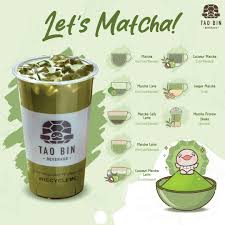
In recent years, matcha has evolved from a traditional Japanese beverage to a global phenomenon, celebrated for its unique flavor, vibrant color, and remarkable health benefits. Bin Matcha represents a premium approach to matcha tea, offering high-quality, finely ground green tea powder sourced from carefully cultivated leaves. Unlike regular green tea, matcha involves consuming the whole leaf in powdered form, providing a higher concentration of antioxidants, vitamins, and amino acids. The rising popularity of Bin Matcha is driven not only by its health advantages but also by its versatility in culinary applications, ceremonial significance, and role in modern wellness trends. This article provides an in-depth exploration of Bin Matcha, including its origin, cultivation, preparation, health benefits, culinary uses, cultural significance, and tips for choosing and storing premium matcha. By understanding Bin Matcha, enthusiasts can fully appreciate its value, integrate it into daily life, and harness its benefits for both mind and body.
1. The Origin and History of Matcha
Matcha has a rich history rooted in Japanese culture, dating back to the 12th century when Zen Buddhist monks introduced powdered green tea to enhance meditation and focus. The practice was influenced by Chinese tea traditions, which emphasized powdered tea consumption and ceremonial preparation. Over centuries, matcha became an integral part of Japanese tea ceremonies, symbolizing mindfulness, harmony, and respect. The cultivation of matcha requires precise agricultural techniques, including shade-grown tea plants to increase chlorophyll levels, careful harvesting of young leaves, and meticulous grinding using stone mills. Bin Matcha continues this legacy by sourcing leaves from premium farms and ensuring that the traditional methods are preserved while meeting modern quality standards. Understanding this history adds depth to the experience of consuming matcha, connecting it to centuries of cultural and spiritual practice.
2. Types and Grades of Bin Matcha
Not all matcha is created equal. The quality and flavor of Bin Matcha depend on its grade and intended use:
-
Ceremonial Grade: The highest quality, vibrant green, delicate flavor, and smooth texture. Ideal for traditional tea ceremonies and direct consumption.
-
Premium Grade: High-quality matcha suitable for both drinking and culinary purposes. Slightly more robust flavor than ceremonial grade.
-
Culinary Grade: Designed for cooking and baking, providing strong flavor that holds up in lattes, desserts, and recipes.
-
Blend Grade: Combines different leaf qualities for general use, often in ready-to-drink beverages or matcha mixes.
Choosing the right grade ensures that consumers receive the intended flavor, aroma, and health benefits, whether for traditional tea preparation or culinary applications.
3. Health Benefits of Bin Matcha
One of the primary reasons for matcha’s popularity is its comprehensive health benefits:
-
Rich in Antioxidants: Matcha contains catechins, particularly EGCG, which help combat free radicals and support overall cellular health.
-
Boosts Metabolism and Energy: Caffeine and L-theanine in matcha provide sustained energy and enhance focus without the jitters associated with coffee.
-
Supports Mental Clarity and Relaxation: L-theanine promotes alpha-wave activity in the brain, fostering relaxation and alertness simultaneously.
-
Detoxification: Chlorophyll in matcha helps eliminate toxins and supports liver function.
-
Immune Support: Vitamins, minerals, and polyphenols in matcha contribute to immune system strength.
-
Weight Management: Thermogenic properties aid fat metabolism, making it popular in fitness and wellness routines.
Consuming Bin Matcha regularly, combined with a balanced lifestyle, can enhance overall health and well-being.
4. How to Prepare Bin Matcha Properly
Preparing matcha requires careful attention to preserve its flavor and nutritional properties:
-
Sifting the Powder: Sifting prevents clumping and ensures smooth texture.
-
Measuring the Right Amount: Typically, 1–2 grams (about half to one teaspoon) per serving is recommended.
-
Water Temperature: Hot water should be around 70–80°C (158–176°F) to avoid bitterness.
-
Whisking Technique: Using a bamboo whisk (chasen) in a zigzag motion creates a frothy, smooth beverage.
-
Serving: Matcha can be enjoyed traditionally or customized with milk, sweeteners, or culinary enhancements.
Proper preparation maximizes the flavor, aroma, and health benefits of Bin Matcha, providing a rich, satisfying experience with each cup.
5. Culinary Uses of Bin Matcha
Beyond tea, Bin Matcha is highly versatile in the kitchen:
-
Lattes and Beverages: Matcha lattes, smoothies, and iced drinks offer delicious ways to enjoy matcha daily.
-
Baking: Matcha enhances cakes, cookies, muffins, and bread with flavor and vibrant green color.
-
Desserts: Ice creams, puddings, mochi, and chocolates benefit from matcha’s unique taste.
-
Savory Dishes: Innovative chefs incorporate matcha in sauces, dressings, and even pasta to add complexity.
Its adaptability makes Bin Matcha not only a beverage but a culinary ingredient that enriches modern gastronomy.
6. Choosing and Storing High-Quality Bin Matcha
The quality of matcha depends on sourcing, storage, and handling:
-
Selecting Quality: Look for bright green color, fine powder texture, and pleasant aroma. Avoid dull, yellowish powders.
-
Packaging: Opt for airtight, light-resistant containers to preserve freshness.
-
Storage: Keep in a cool, dry place, away from direct sunlight and moisture. Refrigeration is recommended for long-term storage.
-
Shelf Life: Premium matcha retains flavor and nutrients for 3–6 months after opening; culinary grades may last longer.
Proper selection and storage ensure that Bin Matcha maintains its flavor, texture, and health benefits.
7. Cultural Significance of Bin Matcha
Matcha is more than a beverage; it embodies centuries of tradition, mindfulness, and ritual:
-
Tea Ceremonies: Ceremonial preparation reflects harmony, respect, purity, and tranquility.
-
Spiritual Practice: Zen monks use matcha to enhance meditation and mindfulness.
-
Modern Adaptation: Today, matcha bridges tradition and modern lifestyle, symbolizing wellness, sophistication, and cultural appreciation.
-
Global Influence: Internationally, matcha has become a symbol of health-conscious living, influencing cafés, wellness routines, and culinary arts.
Understanding this cultural context adds meaning to each cup of Bin Matcha, connecting modern consumption to historical roots.
8. Potential Risks and Considerations
While matcha offers many benefits, consumers should be aware of certain considerations:
-
Caffeine Sensitivity: Matcha contains caffeine, which may affect individuals sensitive to stimulants.
-
Overconsumption: Excessive intake may lead to digestive discomfort or insomnia.
-
Quality Concerns: Low-grade or adulterated matcha may lack nutrients and flavor.
-
Medical Conditions: Consult a healthcare provider if pregnant, nursing, or taking medications that may interact with caffeine or antioxidants.
Moderation and mindful consumption ensure that matcha enhances health without adverse effects.
9. Future Trends in Matcha Consumption
The popularity of Bin Matcha continues to drive innovation and market growth:
-
Functional Beverages: Infusions with probiotics, collagen, or adaptogens enhance wellness benefits.
-
Sustainable Sourcing: Organic, ethically farmed matcha caters to environmentally conscious consumers.
-
Convenience Products: Ready-to-drink matcha beverages and instant powders expand accessibility.
-
Culinary Innovation: Chefs and food brands continue to experiment with matcha in both traditional and unconventional dishes.
These trends reflect matcha’s ongoing evolution from traditional tea to a modern superfood and lifestyle staple.
Frequently Asked Questions (FAQ)
1. What is Bin Matcha?
Bin Matcha is premium powdered green tea known for its vibrant color, unique flavor, and high concentration of antioxidants and nutrients.
2. How is Bin Matcha different from regular green tea?
Unlike regular green tea, matcha involves consuming the whole leaf in powdered form, providing higher levels of catechins, amino acids, and vitamins.
3. What are the main health benefits of Bin Matcha?
Benefits include antioxidant support, mental clarity, sustained energy, detoxification, immune support, and potential weight management.
4. How should Bin Matcha be prepared?
Use 1–2 grams of powder, sift it, whisk with hot water at 70–80°C, and enjoy it traditionally or in lattes and culinary recipes.
5. How should I store Bin Matcha?
Keep it in an airtight, light-resistant container in a cool, dry place or refrigerate for longer shelf life.
Conclusion
Bin Matcha exemplifies the fusion of tradition, health, and modern lifestyle. From its origins in Japanese tea ceremonies to its contemporary applications in wellness, culinary arts, and daily routines, matcha offers both cultural richness and tangible health benefits. By selecting high-quality Bin Matcha, preparing it correctly, and integrating it mindfully into daily life, individuals can enjoy enhanced mental clarity, physical vitality, and sensory enjoyment. Beyond being a beverage, Bin Matcha represents a holistic approach to mindful living, connecting centuries-old practices with modern wellness trends. Its growing global popularity highlights its versatility, health-promoting properties, and enduring appeal as a premium, high-quality superfood that transcends cultures and lifestyles.
