
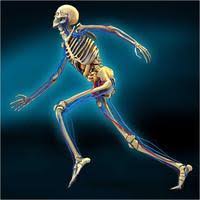
The phrase “Bones Asura Scanspls 101 Kaatz Exam II Flashcards Chapter Qui” may at first sound like a mash-up of unrelated ideas, yet it actually reflects the complex and multi-layered way in which modern learners engage with study material. It suggests a mixture of anatomy (bones), manga or webcomic culture (Asura Scans), course-based examination (Kaatz Exam II), study techniques (flashcards), and structured chapters or quizzes (chapter qui). Together, these elements capture the realities of contemporary learning: blending academic rigor with digital tools, cultural references, and self-directed study strategies. In an era where students juggle demanding coursework, online resources, and fragmented attention spans, understanding how these components interconnect is essential. This article will explore bones as a field of study, Asura Scans as an example of digital engagement, the Kaatz Exam II as a metaphor for structured testing, flashcards as timeless study aids, and chapter-based quizzes as systems of reinforcement.
The Study of Bones: Foundation of Anatomy and Learning
Anatomy has long been considered the cornerstone of medical and biological sciences, and bones are at the heart of this study. The skeletal system is not merely a structural framework; it is a living, dynamic part of the human body that stores minerals, produces blood cells, and interacts with muscles to facilitate movement. In the context of “Bones Asura Scanspls 101 Kaatz Exam II Flashcards Chapter Qui”, the reference to bones reflects the foundational nature of knowledge. Just as bones form the structure upon which muscles, nerves, and organs rely, core concepts in education provide the framework upon which advanced learning is built. Students studying bones learn about classification (long, short, flat, irregular), the process of ossification, and the relationship between skeletal health and systemic diseases. For exams like Kaatz Exam II, mastering the details of bone anatomy is critical not only for grades but for real-world applications in medicine, sports science, and health care.
Asura Scans: The Role of Digital Culture in Learning
The inclusion of Asura Scans in the phrase points to the impact of digital entertainment and fan communities on modern study practices. Asura Scans is widely known for translating and distributing manga and manhwa (Korean comics), making it a symbol of how globalized media reaches young learners. Students often find themselves balancing academic responsibilities with cultural passions like reading manga or gaming. Instead of being distractions, these digital platforms can enhance learning by offering visual storytelling, cultural context, and even stress relief during study breaks. For some, manga-inspired imagery becomes a mnemonic device, helping them visualize complex academic ideas in creative ways. The reference to Asura Scans reminds us that studying is no longer confined to textbooks—it exists in dialogue with the wider digital culture students inhabit.
Kaatz Exam II: Structure, Discipline, and Academic Pressure
Exams like Kaatz Exam II represent the structured side of learning, where knowledge must be demonstrated under pressure. Whether in anatomy, biology, or other fields, exams are milestones that measure progress and competency. They require not only memorization but also critical thinking, time management, and resilience. Many students feel anxiety when preparing for exams, which is why tools like flashcards and chapter quizzes are so important. The term “Kaatz Exam II” can be understood as a stand-in for all high-stakes tests that push students to refine their study methods and prove mastery. Preparing for such exams is not simply about passing—it is about building confidence, discipline, and the ability to apply theoretical knowledge in practical settings.
Flashcards as a Timeless Learning Tool
Flashcards have survived centuries of educational innovation because they embody one of the most effective learning principles: active recall. By forcing the brain to retrieve information rather than passively rereading it, flashcards strengthen memory pathways. In the context of “Bones Asura Scanspls 101 Kaatz Exam II Flashcards Chapter Qui”, flashcards represent the bridge between raw content (bones and anatomical facts) and tested knowledge (exam questions). Digital flashcards, enhanced with spaced repetition algorithms, allow students to focus on weak areas and prevent forgetting over time. Whether made from index cards or mobile apps, flashcards are versatile tools that adapt to different subjects—anatomy, languages, mathematics, or history. Their continued relevance highlights how effective study strategies transcend technology while still benefiting from digital enhancements.
Chapter Quizzes: Reinforcing Knowledge Through Practice
The mention of “chapter qui” suggests quizzes, which are essential for consolidating learning. Quizzes provide immediate feedback, helping students identify strengths and weaknesses. Unlike major exams, chapter quizzes are lower stakes, making them effective for encouraging practice without overwhelming pressure. In anatomy, chapter quizzes on bones might include labeling diagrams, matching terms, or multiple-choice questions on skeletal functions. These quizzes reinforce material incrementally, making large exams less daunting. Moreover, quizzes tap into the testing effect, a psychological phenomenon where the act of testing improves long-term retention more effectively than rereading or note-taking. Thus, chapter quizzes embody the principle of gradual, cumulative learning—small steps that build toward academic mastery.
The Interplay of Entertainment and Education
One of the most interesting aspects of “Bones Asura Scanspls 101 Kaatz Exam II Flashcards Chapter Qui” is how it juxtaposes academic study with cultural engagement. Students are not machines; they are individuals navigating both learning and leisure. Reading manga on Asura Scans, for instance, can coexist with preparing flashcards for an anatomy exam. In fact, leisure activities can energize the brain, offering breaks that refresh concentration. This interplay shows that education is not an isolated sphere but part of a broader lifestyle. The challenge for learners is to balance these elements in ways that are healthy and productive, turning distractions into tools for motivation rather than obstacles.
Memory Science and Cognitive Psychology Behind Flashcards
To fully appreciate flashcards and quizzes, we need to explore the science behind them. Cognitive psychology emphasizes the role of active recall, spaced repetition, and interleaving in solidifying memory. Active recall strengthens neural pathways by forcing the brain to retrieve knowledge. Spaced repetition ensures that information is reviewed at increasing intervals, preventing forgetting. Interleaving mixes different topics in practice sessions, creating flexibility in problem-solving. These principles explain why flashcards and quizzes are so effective for exams like Kaatz Exam II. They also suggest that Orasines-like continuous flow of communication (to borrow from our earlier concept) plays a role in how memory stabilizes over time.
Digital Tools and the Future of Study
The digital age has transformed how students prepare for exams. Platforms like Quizlet, Anki, and Brainscape allow learners to create, share, and customize flashcards globally. For anatomy, digital flashcards often include 3D models of bones, interactive diagrams, and audio pronunciation guides. These tools enhance traditional study while offering analytics to track progress. Asura Scans, in this context, reminds us that the same digital environment delivering entertainment can also deliver study aids. The future of study lies in integrating entertainment, structured learning, and digital tools into a seamless ecosystem where engagement is as important as content.
Challenges of Modern Learning
While flashcards, quizzes, and digital platforms enhance learning, challenges remain. Students often experience information overload, struggling to filter what is essential. The temptation of digital distractions—such as spending hours on manga instead of studying bones—can derail progress. Moreover, not all students have equal access to high-quality study tools, creating disparities. Preparing for exams like Kaatz Exam II can also generate stress and burnout. Understanding these challenges is key to creating balanced strategies that combine discipline with flexibility, technology with mindfulness, and rigor with creativity.
The Bigger Picture: Education as a Lifelong Journey
Finally, “Bones Asura Scanspls 101 Kaatz Exam II Flashcards Chapter Qui” is not just about one exam or one subject. It symbolizes the broader reality that education is a lifelong journey. Bones represent structure, Asura Scans represents culture, exams represent discipline, flashcards represent strategy, and chapter quizzes represent reinforcement. Together, they form a holistic image of learning that is not confined to school but extends into work, hobbies, and personal growth. In this sense, the phrase becomes a metaphor for how modern humans navigate knowledge in an age of information abundance.
Frequently Asked Questions (FAQ)
Q1: What does the phrase “Bones Asura Scanspls 101 Kaatz Exam II Flashcards Chapter Qui” represent?
It symbolizes the intersection of academic study (bones, exams, flashcards, quizzes) and digital culture (Asura Scans), reflecting how students balance structured learning with digital lifestyles.
Q2: Why are bones important in academic studies?
Bones are foundational in anatomy and medical science, providing structural, functional, and clinical knowledge essential for exams and professional practice.
Q3: How do flashcards improve learning?
Flashcards engage active recall, use spaced repetition, and provide immediate feedback, all of which strengthen memory and improve exam performance.
Q4: What role does digital culture (like Asura Scans) play in studying?
Digital culture offers both challenges and benefits. While it can be a distraction, it also provides creative ways to visualize, relax, and balance academic stress.
Q5: Are chapter quizzes effective for long-term retention?
Yes. Quizzes leverage the testing effect, reinforcing learning incrementally and helping students retain information more effectively than passive study.
Conclusion
The concept of “Bones Asura Scanspls 101 Kaatz Exam II Flashcards Chapter Qui” may initially seem scattered, but on closer inspection, it reflects the reality of modern education: a mixture of structure, culture, and strategy. Bones remind us of foundational knowledge, Asura Scans reflects the influence of digital media, exams symbolize academic milestones, flashcards embody proven memory techniques, and chapter quizzes reinforce continuous learning. Together, these elements capture the complexity of being a learner today—navigating tradition and innovation, rigor and leisure, memory and imagination. As education continues to evolve, the challenge will be to integrate these diverse elements into balanced, meaningful, and empowering learning experiences.
