
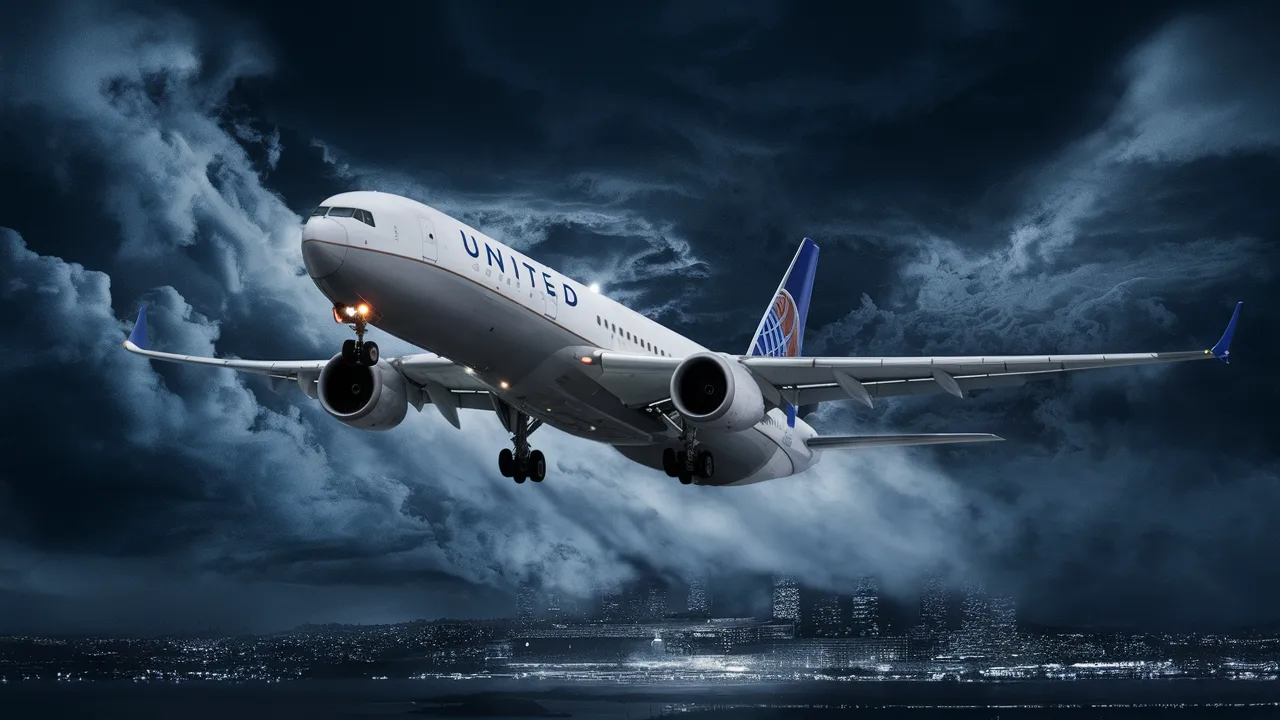
The United Airlines Flight UA770 emergency diversion has drawn significant attention due to the critical nature of in-flight decision-making and passenger safety. Emergency diversions are rare but essential procedures in aviation, executed when unforeseen circumstances require immediate action to ensure the safety of passengers, crew, and aircraft. The incident involving UA770 highlights the precision, coordination, and professionalism that define modern aviation safety standards.
We examine the event in detail, focusing on the timeline, potential causes, operational response, and broader implications for airline safety protocols. By understanding how such situations are handled, we gain valuable insight into the robust systems that govern commercial aviation worldwide.
What Is an Emergency Diversion in Aviation?
An emergency diversion occurs when an aircraft alters its planned route to land at an alternative airport due to technical issues, medical emergencies, weather conditions, or security concerns. In the case of United Airlines Flight UA770, the diversion underscores the importance of rapid decision-making and adherence to strict safety guidelines.
Pilots are trained extensively to handle such scenarios, relying on:
- Real-time data from aircraft systems
- Communication with air traffic control
- Standardized emergency procedures
These elements ensure that even in unexpected situations, the outcome prioritizes safety above all else.
Timeline of the UA770 Emergency Diversion
Understanding the sequence of events provides clarity on how the situation unfolded. While exact details may vary depending on official reports, a typical emergency diversion timeline includes:
- Initial detection of an issue through cockpit alerts or passenger reports
- Assessment by the flight crew to determine severity
- Communication with air traffic control to coordinate diversion
- Selection of the nearest suitable airport
- Safe landing and ground response activation
This structured approach ensures that every step is executed with precision and efficiency, minimizing risk and maintaining control.
Possible Causes Behind the Diversion
Emergency diversions can result from a variety of factors, each requiring a tailored response. In the context of UA770, potential causes may include:
Technical Issues
Aircraft systems are highly advanced, but even minor anomalies can trigger precautionary landings. These may involve engine irregularities, hydraulic system alerts, or electrical malfunctions.
Medical Emergencies
Passenger or crew health issues are a common reason for diversions. Immediate access to medical facilities becomes a priority, necessitating a swift change in flight path.
Weather Conditions
Unexpected weather patterns, including severe turbulence, storms, or reduced visibility, can make it unsafe to continue to the original destination.
Security Concerns
Though rare, any potential threat onboard requires immediate action to ensure the safety of everyone involved.
Each of these scenarios demands a calm, calculated response, demonstrating the effectiveness of aviation training and protocols.
Crew Response and Professional Execution
The success of an emergency diversion depends heavily on the training and coordination of the flight crew. In the UA770 incident, the crew’s ability to manage the situation reflects the rigorous standards upheld by Federal Aviation Administration and global aviation authorities.
Key aspects of crew response include:
- Maintaining clear communication with passengers
- Executing emergency checklists without error
- Coordinating with ground services for a safe landing
This level of professionalism ensures that passengers remain informed and reassured throughout the process.
Passenger Experience During the Diversion
For passengers, an emergency diversion can be an unexpected and stressful experience. However, airlines prioritize clear communication and passenger comfort during such events.
Passengers on UA770 likely experienced:
- Announcements explaining the situation
- Instructions to remain calm and follow crew guidance
- Support from cabin crew throughout the process
These measures help reduce anxiety and ensure that passengers understand the steps being taken for their safety.
Aircraft Safety Systems and Redundancy
Modern aircraft are equipped with multiple layers of safety systems, designed to handle a wide range of scenarios. The UA770 diversion highlights the importance of:
- Redundant systems that provide backups in case of failure
- Advanced monitoring technology detecting issues early
- Automated alerts assisting pilots in decision-making
These features make commercial aviation one of the safest modes of transportation globally.
Impact on Airline Operations
An emergency diversion affects not only the flight in question but also broader airline operations. This includes:
- Flight delays and schedule adjustments
- Reallocation of aircraft and crew
- Passenger rebooking and assistance services
Despite these challenges, airlines are equipped to handle disruptions efficiently, ensuring minimal inconvenience while maintaining safety standards.
Aviation Safety and Continuous Improvement
Incidents like the UA770 emergency diversion contribute to the ongoing improvement of aviation safety. Each event is analyzed to identify:
- Potential system enhancements
- Training improvements for crew members
- Updates to safety protocols
This continuous learning process ensures that the aviation industry remains resilient and adaptive, constantly evolving to meet new challenges.
Conclusion: What the UA770 Diversion Teaches Us
The United Airlines Flight UA770 emergency diversion serves as a powerful reminder of the importance of preparedness, training, and advanced technology in aviation. While such incidents may appear alarming, they demonstrate the effectiveness of systems designed to protect passengers and ensure safe outcomes.
We recognize that every aspect of modern aviation—from pilot training to aircraft design—is centered around safety and reliability. The UA770 event reinforces confidence in the industry’s ability to handle unexpected situations with precision and professionalism, ensuring that passengers reach their destinations safely, even when plans change.
Frequently Asked Questions (FAQ)
What is an emergency diversion in aviation?
An emergency diversion occurs when a flight changes its route to land at an alternate airport due to safety concerns or unforeseen circumstances.
Why did United Airlines Flight UA770 divert?
While exact reasons depend on official reports, common causes include technical issues, medical emergencies, or weather conditions.
Are emergency diversions dangerous?
No, they are precautionary measures designed to ensure passenger safety and are handled by highly trained professionals.
How often do flight diversions happen?
They are relatively rare and occur only when necessary to maintain safety standards.
What happens to passengers after a diversion?
Passengers are typically assisted with rebooking, accommodations, and support services to continue their journey.
